

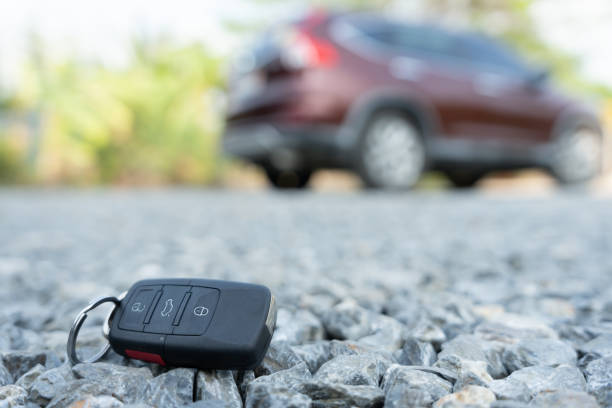
What to Do If You Lost Your Car Keys: A Complete Australian Guide
Don’t panic if you have lost your car keys; you’re not the only one to find themselves in this predicament, and you certainly won’t be the last. Whether you’ve misplaced them at the beach, left them at the pub, or they have simply vanished without a trace, there’s no need to stress. In this comprehensive guide, you will learn, step by step, what to do if you lose your car keys so you can get back on the road with minimal fuss.
Understanding Your Situation: I Lost My Car Keys, What Do I Do?
The moment you realise your keys are missing, it’s natural to feel a bit inconvenient. There are several logical steps you can follow to handle this situation effectively. Whether you’ve lost your car keys in the outback or somewhere more urban, the process is straightforward.
Don’t assume your keys are permanently gone. Many people find their lost keys within 24 hours by retracing their steps. Think back to the last place you remember having them. Was it at work? The shops? A mate’s place? Sometimes the simplest solution is the best one.
Step 1: Retrace Your Steps
Start by systematically going through everywhere you’ve been since you last remember having your keys. Check your pockets, your bag, the car itself, and any places you’ve visited recently. Give a call to restaurants, shops, and offices you have visited and ask if anyone’s handed in a set of keys. You’d be surprised by how often lost keys turn up at businesses that have found them.
If you’ve been at home, check the usual spots: near the entrance, on the kitchen bench, on the bedside tables, and in the bathroom. It’s amazing how many keys end up in unexpected places around the house.
Step 2: File a Report with Local Police
If you’re convinced your keys are lost for good, consider lodging a report with your local police station. While they won’t launch a full-scale search, having an official record can be useful for insurance purposes if someone uses your keys to damage your vehicle or home. This is important if your keys contain identifying information about your car or address.
Step 3: Contact Your Car Manufacturer or Dealership
After accepting, retracing your steps won’t be useful; it’s time to contact your car’s manufacturer or the dealership where you bought it. Here’s why this is essential:
Dealership Services: Most dealerships can create replacement keys for your vehicle. They will need to verify that you’re the legitimate car owner, which they can do by checking your registration details and asking for identification. This verification process is crucial for security reasons.
Spare Keys: If you have a spare key at home. You will still need to get the locks professionally changed or reprogrammed if you’re concerned about someone finding your lost keys and using them maliciously.
Cost Considerations: The cost of replacing car keys varies depending on your vehicle’s make and model. Older vehicles with simple keys might cost $50 to $200, while newer cars with electronic key fobs or transponder keys can cost $200 to $500 or more. It’s worth ringing around to different locksmiths and dealerships to get quotes.
Step 4: Contact a Licenced Locksmith
If you want to avoid the higher costs of dealership replacement keys, a licenced locksmith is your next best option. In Australia, locksmiths are regulated in most states, so ensure whoever you choose is properly qualified and insured.
A reputable locksmith can create replacement keys for most vehicles. You’ll need to prove ownership of the car through your vehicle registration papers and a valid ID. Some locksmiths can even come to you if you’re stuck without transport, which is pretty handy if you’re in a bind.
What to Expect from a Locksmith:
- They will assess your vehicle’s lock system
- Verify your identity and ownership
- Create new keys on the spot or arrange a follow-up visit
- May reprogram electronic keys if needed
- Typical turnaround time is a few hours to a day
Step 5: Check Your Insurance Policy
Before you shell out your hard-earned cash, have a gander at your car insurance policy. Some comprehensive policies include coverage for lost or stolen keys. If your keys have been stolen rather than lost, this distinction could save you a fair bit of dough. Ring your insurer and ask about key replacement coverage; you might be pleasantly surprised.
Preventing Future Key Loss: Tips for the Smart Aussie Driver
Now that you’re back on the road, let’s talk about preventing this headache from happening again. Here are some sensible measures to keep your keys safe:
Use a Key Tracker: There are several Bluetooth-enabled key trackers on the market that attach to your keychain. If your keys go missing, you can use your phone to locate them. Brands like Apple AirTag and Tile are popular choices and work brilliantly around the house or car.
Keep a Spare Key: Always maintain at least one spare key in a safe place away from your car. Don’t leave it in your vehicle; that defeats the purpose entirely. Give it to a trusted mate or family member, or store it securely at home.
Establish a Key Routine: Designate a specific spot for your keys when you get home, a hook by the door, a bowl on the entrance table, or a drawer in your bedroom. Consistent habits make it less likely you will misplace them.
Use a Key Organiser: Invest in a decent key organiser that keeps all your keys together and prevents them from getting lost among other items in your pocket or bag.
ID Tags: Pop an ID tag on your keychain with your contact details. If someone finds your keys, they can get them back to you without needing to break into your vehicle.
What to Do If You Lost Your Car Keys and They’re Stolen
There’s a crucial difference between keys that are lost and keys that have been stolen. If you suspect your keys have been nicked from your home or workplace, you should:
- Report it to the Police: File a theft report with your local police station. This creates an official record.
- Alert Your Vehicle: If you have a modern vehicle with GPS or a tracking app, consider reporting the situation to the manufacturer’s security team.
- Change Your Locks: Consider having your home locks changed if the stolen keys had identifying information about where you live.
- Increase Security: Park your car in a well-lit, secure location and consider fitting additional security measures like steering wheel locks or dash cams.
Emergency Situations: What If You’re Stranded?
If you’re stuck without access to your car and you need to get somewhere urgently, here are your options:
Roadside Assistance: If you know an AAMI or RACQ member (or similar in your state), ring them up. Many roadside assistance policies cover lockouts and key loss emergencies. They can provide temporary assistance and transport recommendations.
Uber or Taxi: Use a rideshare service or traditional taxi to get where you need to go while you sort out your key situation.
Call a Mate: Don’t hesitate to ask a friend or family member for a lift if you’re in a difficult situation.
Emergency Locksmith: If you’re in a remote area or need immediate assistance, an emergency 24-hour locksmith might be your best bet. They’ll charge a premium, but sometimes that’s the cost of convenience.
Conclusion
Losing your car keys is frustrating, but it’s far from the end of the world. By following the steps outlined above, retracing your steps, contacting your dealership or a licenced locksmith, and checking your insurance policy, you can get back on the road without too much fuss or expense.
Take preventative measures going forward. A simple key tracker, a spare key stored safely, and a consistent routine for where you keep your keys can save you considerable stress and expense down the track.
If you’ve lost your car keys and need fast, reliable help, Brisbane Automotive Locksmith is ready to assist. With experience across all vehicle types, we offer prompt mobile service, honest pricing, and professional workmanship you can trust. Whether it’s an emergency lockout or a full key replacement, help is only a call away.
Contact Brisbane Automotive Locksmith on 0433 032 881 and get back on the road with confidence.
