

Do All Cars Need Programming After Key Replacement?
Do All Cars Need Programming After Key Replacement?
Replacing a car key sounds straightforward until you’re standing at a locksmith’s or dealership and realise the process is considerably more involved than just cutting a new blade.
As vehicle security systems have grown more sophisticated, the question comes up often among Australian car owners: Does key replacement always require programming?
The short answer is no, but for a large proportion of modern vehicles, it absolutely does. Whether programming is necessary depends on the type of key your vehicle uses, the car’s built-in security architecture, and when it was manufactured.
Here’s a closer look at when programming becomes part of the process, and why it matters more than most people expect.
What Does Car Key Programming Actually Mean?
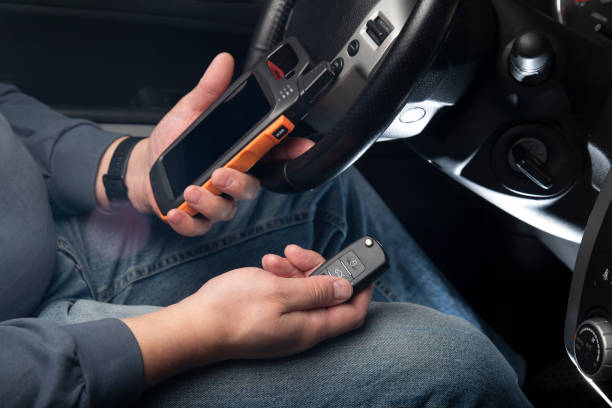
Car key programming refers to the process of electronically syncing a new key with your vehicle so it can communicate with the car’s internal security system.
Definition of key programming
In simple terms, car key programming is the act of coding a key so the car recognises it as authorised. Without this step, the vehicle may not start or may reject the key entirely.
How modern vehicles store key data
Most modern cars store key information inside the ECU (Engine Control Unit). When a key is programmed, the ECU learns to recognise the unique digital code inside the key’s transponder chip.
Role of immobiliser system in Australian cars
Almost all modern Australian vehicles are equipped with an immobiliser system, which prevents the engine from starting unless the correct key is detected. This system relies heavily on a transponder chip key, which communicates with the vehicle’s ECU.
Without proper programming, the immobiliser will block ignition, even if the key physically turns.
Which Types of Car Keys Require Programming?
Not all car keys are created equal. Different types of keys come with different security technologies.
Traditional Mechanical Keys (No Programming Needed)
Older vehicles, typically those manufactured before the late 1990s, use basic mechanical keys.
- No electronic chip inside
- Works purely through physical alignment with the ignition
- No communication with ECU or immobiliser
These keys do not require programming, making them the simplest and cheapest to replace.
Transponder Keys (Programming Required)
A transponder key contains a small electronic chip inside the plastic head of the key.
- Communicates with the vehicle’s immobiliser system
- Sends a unique digital code to the ECU
- The engine only starts if the code matches
If you replace this type of key, transponder key programming is essential. Without it, the car will not start even if the key turns on the ignition.
Remote Key Fobs
Remote key fobs allow you to lock and unlock your vehicle from a distance.
- Controls the central locking system
- Works via radio frequency signals
- Battery-powered remote functions
Important distinction:
- Replacing the battery does NOT require programming
- Replacing the key or remote module usually DOES require programming
Some vehicles require both physical key programming and remote syncing.
Smart Keys / Push Start Systems
Smart keys are used in modern push-start vehicles and are the most advanced type of car key.
- Works through proximity detection
- Allows keyless entry and push-button ignition
- Uses high-level encryption for security
For smart key replacement, programming is always required. These systems rely on highly secure digital pairing between the key and the vehicle.
Do All Cars Need Programming After Key Replacement?
The clear answer is: NO, not all cars need programming after key replacement.
However, most modern vehicles do.
It depends on two key factors:
- Vehicle age
- Security system type
Breakdown by vehicle category:
Older vehicles (generally pre-1995–2000)
- Mechanical keys only
- No immobiliser system
- No programming required
Mid-range vehicles (2000–2010)
- Basic transponder chips introduced
- Programming usually required
- Some remote functions added
Modern vehicles (2010 onwards)
- Advanced immobilisers
- Smart keys and push-start systems
- Programming ALWAYS required
So, while older cars are simple, newer vehicles rely heavily on electronic synchronisation.
What Happens If a Car Key Is Not Programmed Correctly?
If a key replacement is not programmed properly, several issues can occur:
Car won’t start
The most common issue is the engine refusing to start because the immobiliser does not recognise the key.
Immobiliser lock activation
The vehicle may remain locked in security mode, preventing ignition entirely.
Key detection failure
Even if the key is turned or inserted, the ECU may not detect it.
Dashboard warning lights
Many modern cars display immobiliser or key-related warning symbols when programming fails.
In short, incorrect programming means the key is useless for starting the vehicle.
How Car Key Programming Works (Step-by-Step)
Understanding the car key coding process helps explain why professional handling is often required.
Step 1: Vehicle diagnostic connection
A locksmith or technician connects diagnostic tools to the car’s onboard system.
Step 2: ECU synchronisation
The tool accesses the ECU and prepares it to register a new key.
Step 3: Key chip coding process
The transponder chip inside the key is programmed with a unique digital code that matches the ECU.
Step 4: Testing the new key
The technician tests ignition, locking functions, and remote features to ensure full compatibility.
This entire ECU programming key process ensures the vehicle recognises the new key as authorised.
Can You Program a Car Key Yourself?
In some cases, yes, but it depends on the vehicle.
DIY key programming limitations
- Not all vehicles allow manual programming
- Advanced systems require specialised diagnostic tools
- Security restrictions often block DIY access
Tools required
- OBD2 diagnostic scanner
- Manufacturer-specific software
- Correct transponder key blank
When DIY works vs when it fails
DIY may work for:
- Older vehicles
- Basic transponder systems
DIY usually fails for:
- Smart keys
- Push-start systems
- European and high-security vehicles
In most cases, professional programming is recommended to avoid immobiliser issues.
Car Key Replacement & Programming Cost in Australia
The car key replacement cost varies depending on key type and service provider.
Dealer vs locksmith pricing
Dealership:
- Higher cost
- Longer wait times
- OEM guaranteed compatibility
Auto locksmith:
- More affordable
- Mobile service available
- Faster turnaround
Smart key vs standard key cost difference
- Standard transponder key: lower cost
- Smart key / push-start key: significantly higher cost
Emergency replacement pricing factors
- Time of day (after-hours service costs more)
- Vehicle make and model
- Location and travel distance
Locksmith vs Dealership: Who Should You Choose?
Both options have advantages depending on your situation.
Auto Locksmith Benefits
- Mobile service (comes to your location)
- Faster response times
- More affordable pricing
- Suitable for most car brands
For many drivers, an auto locksmith is the most convenient option.
Dealership Advantages
- Access to manufacturer-specific coding systems
- Required for some high-end or luxury vehicles
- Guaranteed OEM parts and software
However, dealerships can be slower and more expensive.
How to Know If Your Car Key Needs Programming
Not sure if your key needs coding? Here are some signs:
- Car does not start after the key replacement
- Remote buttons stop working
- Immobiliser warning light appears
- New key turns, but the engine won’t engage
Vehicle manual check
Your owner’s manual often specifies whether your key requires programming.
Year/model indicators
- Pre-2000: usually no programming
- Post-2000: likely requires programming
- Modern cars: always requires programming
Final Thoughts
So, do all cars need programming after a key replacement?
The answer is simple: not all, but most modern cars do.
Older vehicles with mechanical keys are straightforward and require no programming. However, modern cars in Australia rely heavily on advanced security systems like immobilisers, transponder chips, and smart key technology, making programming essential.
Understanding your vehicle type can save you time, money, and frustration. In most cases, relying on a professional Car locksmith ensures the key is correctly coded, fully functional, and securely synced with your car’s system.
With vehicle security becoming more advanced every year, proper car key programming is no longer optional; it’s a critical part of keeping your car safe and operational.
Dealing with a lost, damaged, or non-functioning car key?
Don’t leave it to chance. At Brisbane Automotive Locksmith, we handle everything from transponder programming to smart key replacement – accurately, efficiently, and without the dealership wait times. We service all makes and models across Brisbane and the surrounding areas. Call us on 0433 032 881 or visit brisbaneautomotivelocksmith.com.au to get back on the road with confidence.
Frequently Asked Questions
Can I replace a car key without programming?
Yes, but only for older mechanical keys. Most modern keys require programming.
Why does my car key stop working after replacement?
It likely wasn’t programmed correctly, or the transponder chip is not synced with the ECU.
How long does key programming take?
Usually between 15 minutes and 1 hour, depending on the vehicle.
Is key programming permanent?
Yes, once programmed correctly, the key remains paired unless the system is reset.
Do spare keys also need programming?
Yes, spare keys with chips or remotes must be programmed individually.
